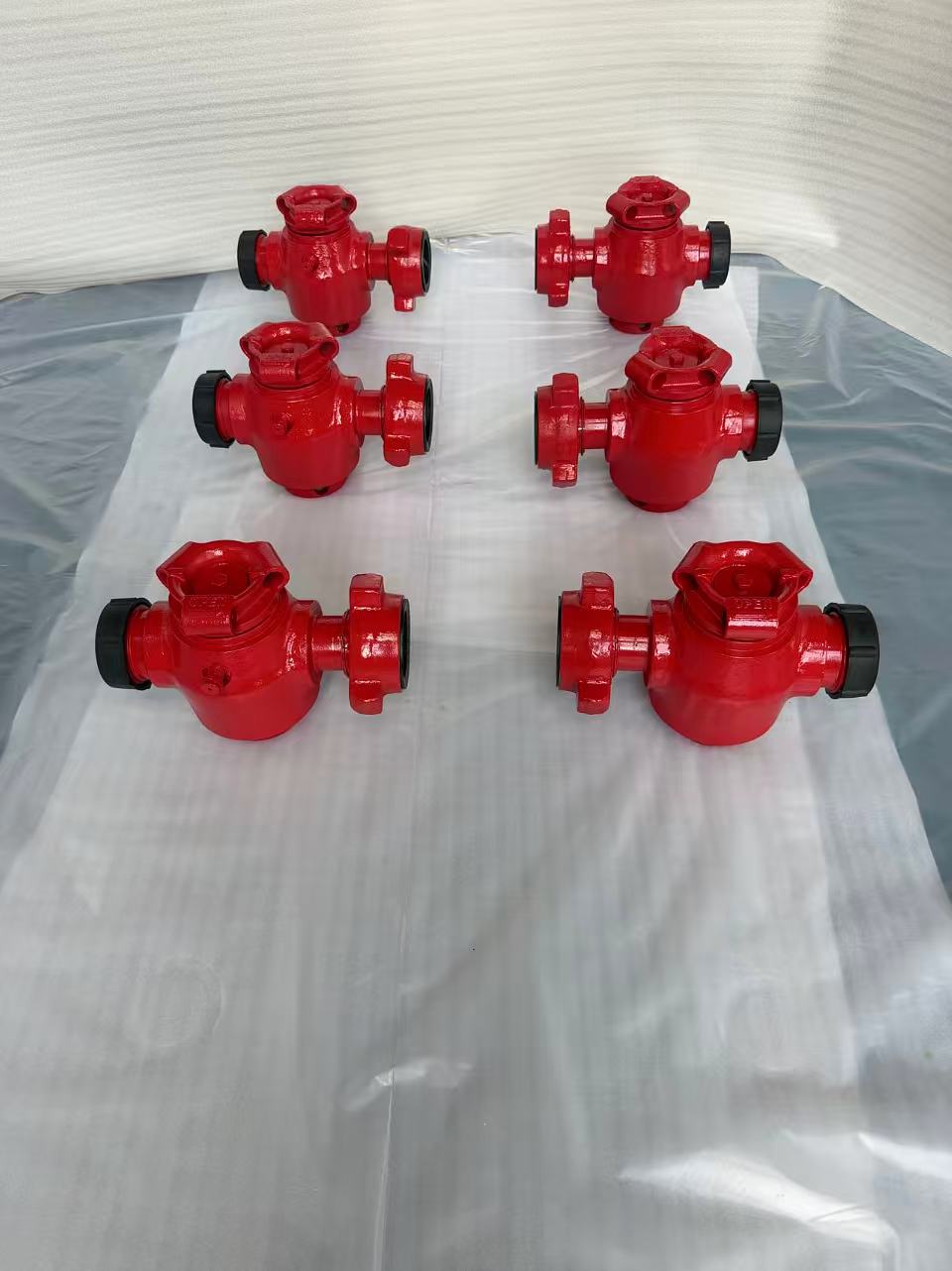
The stamp on a piece of high-pressure flow iron is its identity card: it tells you the size, the union figure, the working pressure, and which drawing the piece was built to, before the piece ever goes into a line. Reading those markings at receiving, before rig-up, and again during inspection is the simplest way to catch a mismatch between two pieces that look alike but are not interchangeable. When a marking is missing, unreadable, or does not match the paperwork for the job, treat that piece as unidentified until it is checked, not as close enough.
Why the stamp matters more than the look
Two pup joints can arrive on the same truck, in the same paint, at the same length, and still not belong in the same line. One may carry a different union figure, a different working pressure, or a different end orientation, and none of that shows up in a quick glance across the yard. Flow iron earns its place in a line by matching the line, not by looking like the other pieces in it.
That is why crews and buyers who work with treating iron read stamps as a habit, not as a formality. The stamp is checked when iron is received, checked again while the line is being laid out, and checked a third time whenever a piece is swapped mid-job. Each check is short. Each one catches the kind of mistake that is easy to make and expensive to discover after the line is made up.
What to look for on a piece of flow iron
- Size: the nominal size of the piece, such as 2-inch, which must match the rest of the line and the connections it joins.
- Union figure: the wing union figure, such as FIG 1502, which decides whether two unions will mate at all. A figure mismatch is a hard stop, not something to force.
- Working pressure: the stamped working pressure, such as 10,000 PSI service, which must meet or exceed what the line is planned for. The lowest-rated piece in an assembled line sets the limit for the whole line.
- Maker and drawing identification: the manufacturer mark and drawing or part identification, which let a supplier confirm the exact configuration. Sterling identifies its pieces by drawing number, for example the T000856 plug valve, pup joints T000864, T000866, and T000855, and swivel joints T000620 and T000693.
- End type and orientation: whether an end is male or female, and for a swivel joint, which style it is, such as Style 10 or Style 50. Orientation decides the direction a piece can face in the layout.
- Condition of the marking itself: a stamp that is worn, painted over, ground down, or partly legible is information too. If you cannot read it with confidence, you cannot verify the piece from it.
How to read a line as a set, not piece by piece
A single piece can be perfectly correct and still be wrong for the line it is joining. Reading stamps properly means reading the whole assembled set together: every pup joint, plug valve, and swivel joint in the run, plus the unions between them. Write the list down during layout, piece by piece, and compare size, figure, working pressure, and orientation across the full list before the line is pressurized.
This set-level check also covers spares. A spare valve or pup joint staged beside the line is only a spare for that line if its stamps match that line. A spare that matches a different spread is not a shortcut during a swap; it is a mismatch waiting for a rushed moment. Tag spares by the line they fit, and keep the stamp list with the layout so the next crew does not have to guess.
Common mismatches and what to do about them
The most common problems are ordinary ones. A union figure that does not match the mating union, a working pressure below the planned service, an end orientation that points a swivel the wrong way, or a stamp too worn to read. None of these are reasons to improvise. Segregate the piece, tag it as unverified, and keep it out of the line until the question is answered.
When a marking is unclear, the fastest reliable answer usually comes from the supplier, not from the yard. Send the size, union figure, and working pressure you can read, the drawing or part number if any part of it is legible, and a clear photo of the marking. A supplier who can match the piece to its drawing can confirm what it is, or confirm that it cannot be confirmed, which is itself a useful answer. Asking that question before rig-up costs minutes; discovering the mismatch during a job costs far more.
Where Sterling can help
Sterling Wellhead stocks new 2-inch FIG 1502, 10,000 PSI flow iron in Jourdanton, Texas 78026: the T000856 plug valve, 4 ft, 6 ft, and 10 ft pup joints (T000864, T000866, T000855), and Style 10 and Style 50 swivel joints (T000620, T000693). If you are checking markings on iron you already own, or confirming that new pieces match an existing line, send the size, figure, working pressure, and drawing numbers from your stamp list and our team will confirm the configuration by drawing number. Sterling is RFQ-only: contact sales@sterlingwellhead.com or +1 (512) 373-0384.
Frequently asked questions
What should I do if a stamp is worn or unreadable?+
Treat the piece as unidentified and keep it out of the line until it is verified. Photograph the marking, note every character you can still read, and ask the supplier to match it to a drawing number. If it cannot be matched with confidence, do not guess.
Do all pieces in a line need identical stamps?+
They need matching size, union figure, and orientation, and every piece needs a working pressure at or above the planned service. Pieces can differ in length, style, or function, a pup joint is not a plug valve, but the connection and pressure facts must agree across the whole assembled line.
What information should I send a supplier about a marking?+
Send the size, union figure, and working pressure as stamped, the drawing or part number if it is legible, a clear photo of the marking, and what line the piece is meant to join. That is enough for the supplier to confirm the configuration by drawing number.