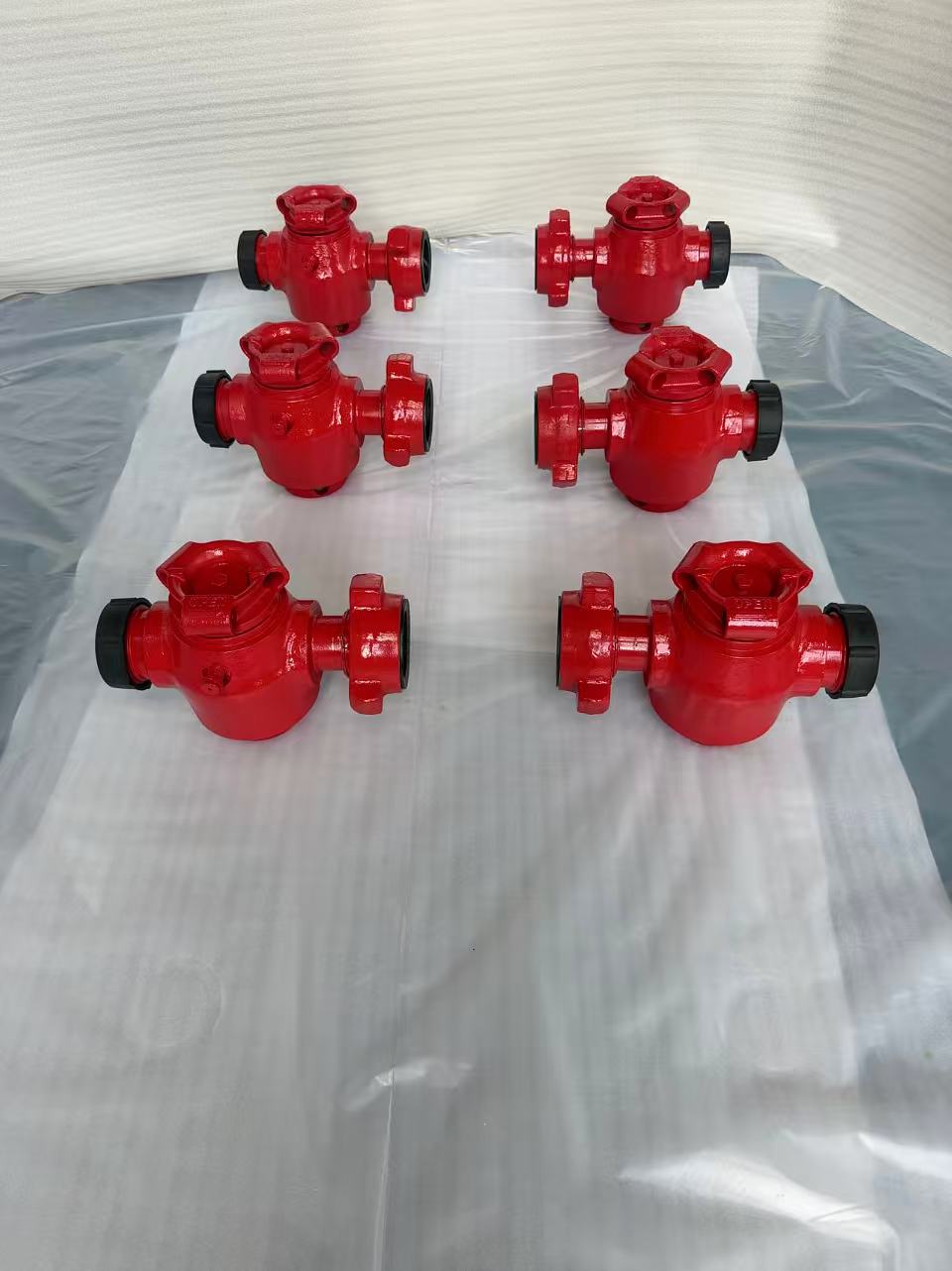
Winter checks for flow iron in Texas fields come down to three habits: drain water that could freeze and expand inside the line, keep plug valves and swivel joints moving freely in the cold, and protect threads and sealing surfaces during storage and transport. A short pre-freeze walkdown, a cold-weather spare kit, and a clear plan for what to drain, cover, and inspect will do more for a treating line than any last-minute fix once ice is already in the iron.
Texas winter is not a non-event for iron
Texas winters are mild compared with northern fields, and that is exactly why they catch crews out. Cold snaps tend to arrive fast, last a few days, and then give way to warmer weather, so iron that was rigged up in comfortable conditions can suddenly sit through freezing nights with water trapped in low spots, valves left in one position, and joints exposed to wind and mud. The damage is rarely dramatic at first. It shows up as a valve that will not cycle, a union that weeps after a cold night, or a swivel that turns stiffly when the next job starts.
The point of a winter check is not to rebuild the spread for a different climate. It is to close the small gaps that a freeze exploits: standing water, unprotected threads, grease that has not been refreshed, and spares stored where they cannot be reached in bad weather. Most of it can be done during the normal inspection a crew already performs, with a few extra questions asked before the temperature drops.
A pre-freeze walkdown for the whole line
- Drain and dry: identify low spots, dead legs, and sections where water can stand after testing, flushing, or flowback, and drain them under the site procedure before a freeze. Trapped water expands as it freezes and can damage valves, joints, and sealing faces from the inside.
- Cycle every plug valve: move each plug valve through its full range and back, so it is not left seized in one position through a cold spell. A valve that cycles cleanly before the freeze is far easier to trust when the next job calls for it.
- Check swivel joints for free movement: confirm each swivel rotates through its intended range without binding, and look for weep around the packing area. Cold weather will not improve a stiff or weeping joint, so flag it for service under the site procedure rather than leaving it to the next rig-up.
- Inspect unions again, not just at rig-up: look for threads and sealing surfaces damaged by mud, ice, or repeated make-up, and refit end protectors and caps wherever iron is standing idle. Dirt packed into a thread in winter becomes harder to clean and easier to overlook.
- Walk the supports and restraints: check that supports, restraints, and whip checks are still seated after wind, rain, and mud have worked on the location. A line that has shifted on its supports puts uneven load on the unions at each end.
- Confirm the spares are reachable: stage a spare pup joint, a spare valve, and the end protectors near the line, not back on a truck that may be hard to reach in bad weather. Winter spares only help if the crew can get to them without a long trip across a muddy location.
Valves, grease, and moving parts in the cold
Plug valves deserve special attention in winter because they are both the control point of the line and the piece most likely to sit still between jobs. Grease the fittings as part of the site maintenance routine, cycle the valve, and confirm a positive stop at each end of its travel. If a valve feels gritty, stiff, or vague, treat that as a service signal, not a quirk to work around. The same logic applies to swivel joints: smooth rotation and a dry packing area are the signs of a joint that is ready for cold service, while binding or weep means the joint should be assessed before it goes back under pressure.
Keep it simple and consistent. Use the grease and service routine the site procedure calls for, apply it on the same schedule through the winter, and record what was done. A valve greased on a known date is a known quantity; a valve greased 'sometime last month' is a guess. When a crew changes over during a cold spell, that record is what keeps the next crew from repeating the same checks or, worse, assuming they were done.
Water, storage, and transport between jobs
Between jobs, winter damage usually happens in storage, not on the spread. Iron stacked on bare ground collects water around its ends, and threads left uncapped collect mud and grit that freeze in place. Store pup joints, valves, and swivels off the ground where drainage is reasonable, keep caps and protectors fitted until rig-up, and keep the pieces that will be needed first closest to the loading point. Before loading for transport, drain sections that could carry standing water, check that caps are secure for the road, and confirm that the load will not shift and damage threads or sealing faces on the way to the next location.
The same discipline applies when iron comes back from a job in winter. Break down, drain, and clean before stacking, rather than stacking first and cleaning later. Mud and residual fluid left on a joint through a freeze are harder to remove and easier to mistake for damage, and a clean, dry, capped piece going into storage is the piece most likely to come out ready for the next job. If a piece shows washout, corrosion, pitting, or thread damage during that clean-down, set it aside for assessment under the site procedure instead of returning it to the ready pile.
Where Sterling can help
Sterling Wellhead stocks new 2-inch FIG 1502, 10,000 PSI flow iron in Jourdanton, Texas 78026: the T000856 plug valve, 4 ft, 6 ft, and 10 ft pup joints (T000864, T000866, T000855), and Style 10 and Style 50 swivel joints (T000620, T000693). If a winter walkdown turns up a valve that will not cycle or a pup joint that needs replacing, send the lengths, styles, and quantities you need and our team will confirm the configuration by drawing number. Sterling is RFQ-only: contact sales@sterlingwellhead.com or +1 (512) 373-0384.
Frequently asked questions
Does Texas weather really require winter checks for flow iron?+
Yes. Texas cold snaps are short, but a few freezing nights are enough to trap water in a line, seize a valve left in one position, or stiffen a swivel joint. A short pre-freeze walkdown catches those problems while they are still easy to fix.
What should be drained before a freeze?+
Any section where water can stand after testing, flushing, or flowback, especially low spots and dead legs. Drain under the site procedure before the temperature drops, because water trapped inside the line expands as it freezes and can damage valves, joints, and sealing faces.
Should cold weather change what spares you stage?+
It should change where you stage them, at least. Keep a spare pup joint, a spare valve, and end protectors near the line and reachable in bad weather, rather than on a truck or in a yard that may be hard to reach when conditions turn.