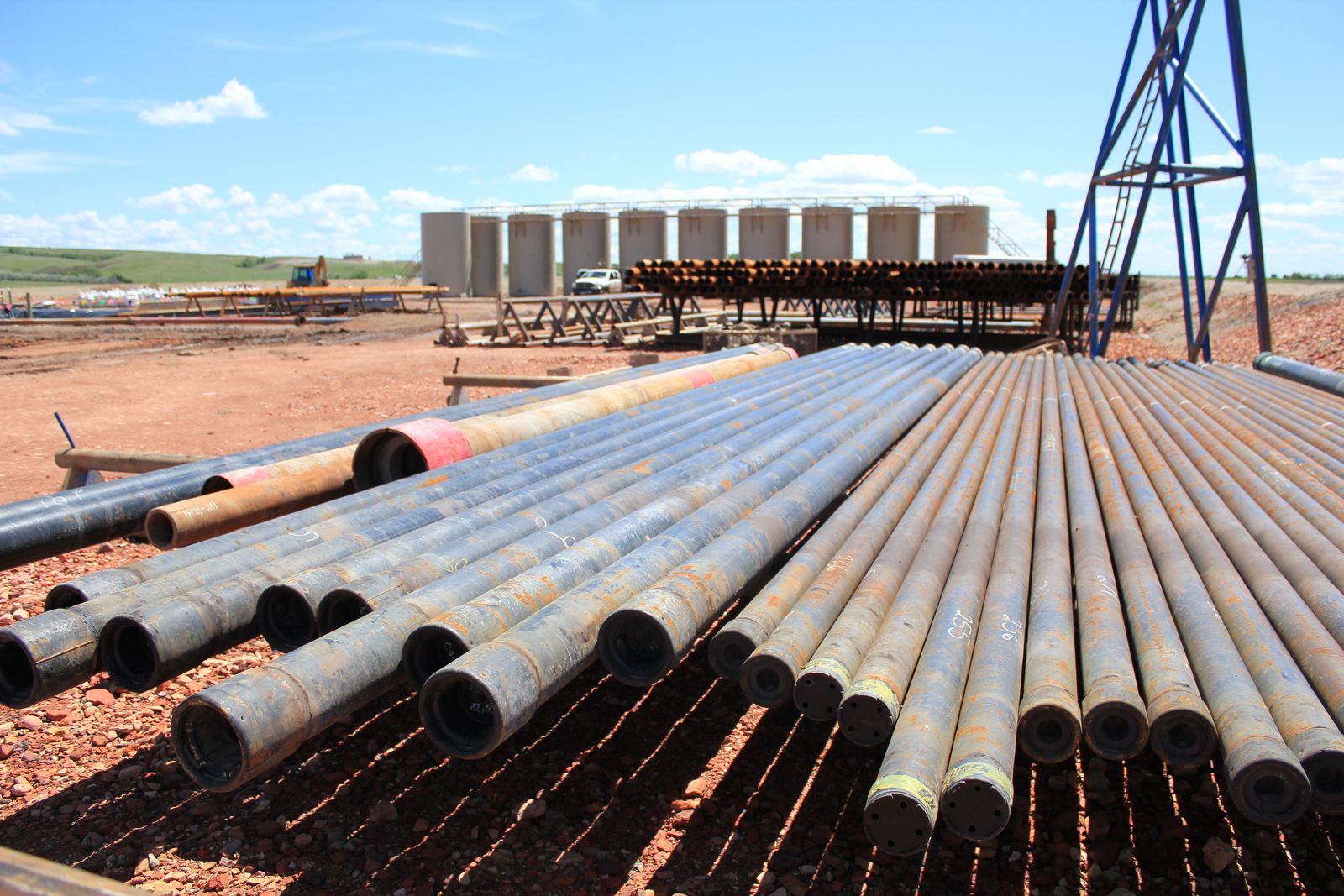
Choose a pup joint length by measuring the gap the line must close after the main components are laid out, then match the pup joint's size, union figure, end orientation, and pressure rating to the rest of the line. Common treating-iron lengths are 4 ft, 6 ft, and 10 ft, and crews often stock a mix so the line can be adjusted in the field without re-spotting equipment.
What a pup joint does
A pup joint is a short length of high-pressure pipe with union ends, used to make up the exact distance between larger components in a flow line. Wellheads, manifolds, pumps, and tanks rarely land at a spacing that standard full-length joints can close exactly, so pup joints absorb the difference.
Because a pup joint sits in the same pressure envelope as the rest of the line, it is not a minor part. Its rating, connections, and inspection status matter just as much as the longest joint in the string.
How the common lengths are used
- 4 ft: fine adjustments close to the wellhead or manifold, where only a short gap remains after rig-up.
- 6 ft: general make-up length for spacing out pumps, tees, and valves on a frac or flowback spread.
- 10 ft: bridging longer gaps so equipment can be spotted with safe working clearance instead of being crowded together.
- A mixed set on location lets the crew adapt when the layout changes between stages or wells.
What to confirm before selecting
Start with fit: nominal size, union figure, and male/female orientation must match the adjacent components, and the measured gap should leave room for proper union make-up. Then confirm the stamped working pressure meets the maximum anticipated pressure of the job, keeping in mind that the lowest-rated component sets the limit for the whole line.
Finally, review the joint's condition and documentation. Check the sealing surfaces and threads or union faces for damage, confirm the bore is clear, and verify inspection status and traceability before the joint goes into service.
Rig-up habits that save time
Lay out the longest runs first and leave the final make-up near an accessible point, so the pup joint can be swapped if the measurement changes. Keep spare lengths on the ground near the line rather than on the truck, and record which lengths were used on each well so the next rig-up starts from a known layout.
Where Sterling can help
Sterling stocks 2-inch FIG 1502 pup joints in 4 ft, 6 ft, and 10 ft lengths alongside plug valves and swivel joints, organized by drawing number so buyers can confirm the exact configuration before requesting a quote.
Frequently asked questions
What is the most common pup joint size for treating iron?+
Two-inch is the most common nominal size for high-pressure treating and flowback lines, typically with FIG 1502 union ends. Always confirm size, figure, and orientation against the rest of the line.
Can a pup joint be shorter than 4 ft?+
Shorter make-up pieces exist, but 4 ft, 6 ft, and 10 ft are the lengths most commonly stocked for well service. The right choice is the one that closes the measured gap with proper make-up room.
Does a pup joint need the same pressure rating as the line?+
Yes. Every component in the assembled line, including pup joints, must meet the job's pressure envelope. The lowest-rated component determines the safe working limit of the system.